Posted by Arun Budhathoki on 5th May 2026
Construction Site Safety Signs in Australia
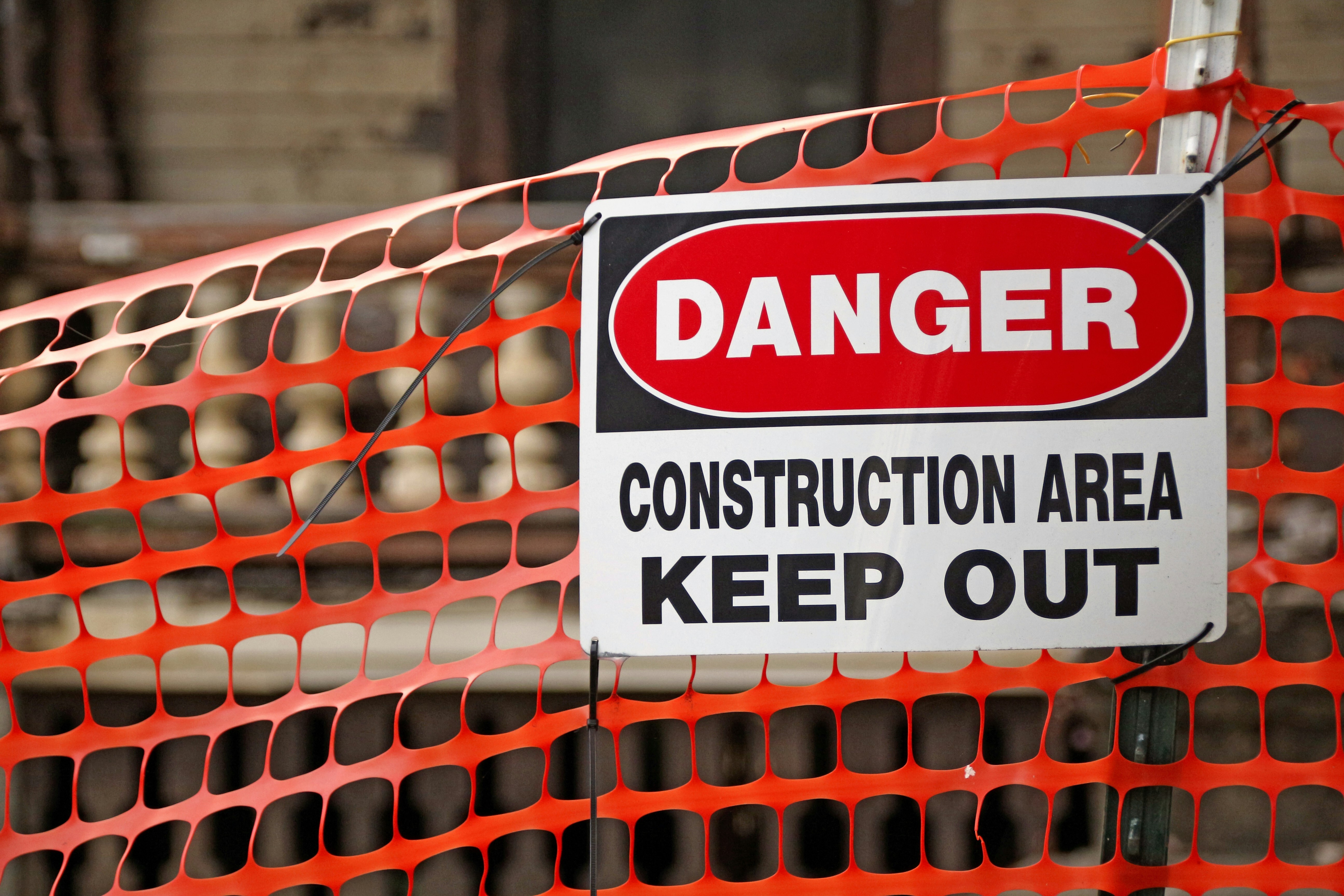
What You're Legally Required to Display Under AS 1319?
If you're a construction site manager or project supervisor in Australia, safety signage isn't something you can afford to get wrong. A failed WHS audit, an injured worker, or a visit from a regulator can all trace back to missing or non-compliant signs. Yet many sites still operate with signage that doesn't meet the standard — often because the rules feel complicated.
They don't have to be. This guide breaks down exactly which signs you're required to display on an Australian construction site, what the law actually says, and how to stay compliant without the guesswork.
What Is AS 1319 and Why Does It Apply to Your Site?
The go-to standard for workplace safety signs in Australia is AS 1319-1994: Safety Signs for the Occupational Environment. It sets out the design, colour coding, symbols, sizing, and placement rules for every category of safety sign used in occupational settings — including construction.
AS 1319 itself is a voluntary Australian Standard, but here's the critical point: it becomes legally binding when referenced by Work Health and Safety (WHS) legislation — which it is, across every state and territory. Under the Model WHS Regulations published by Safe Work Australia, you're required to display appropriate safety signs wherever:
- A hazard is present that workers or visitors need to be warned about
- PPE is mandatory in a specific area or zone
- Emergency information must be accessible — such as exits, first aid, or fire equipment
In plain terms: if your site has hazards (and every construction site does), you need compliant signage. Failing to display them isn't just a safety issue — it's a legal one.
The 5 Sign Categories Under AS 1319
AS 1319 organises safety signs into five distinct categories. Each has a specific colour, shape, and purpose. Knowing the difference matters because using the wrong type for a hazard — say, a warning sign where a danger sign is required — can still leave you exposed during an audit.
1. Danger Signs (Red, Black & White)
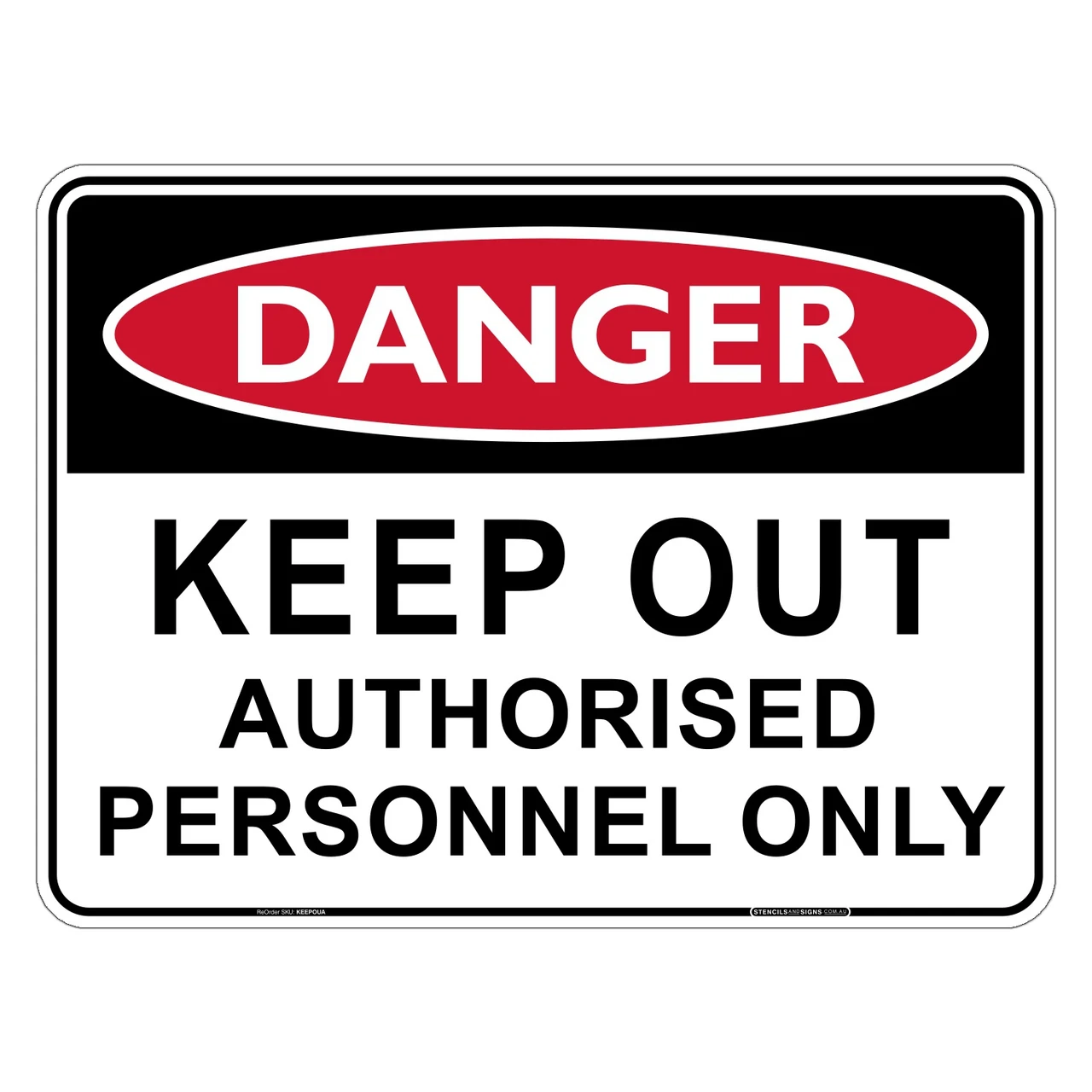
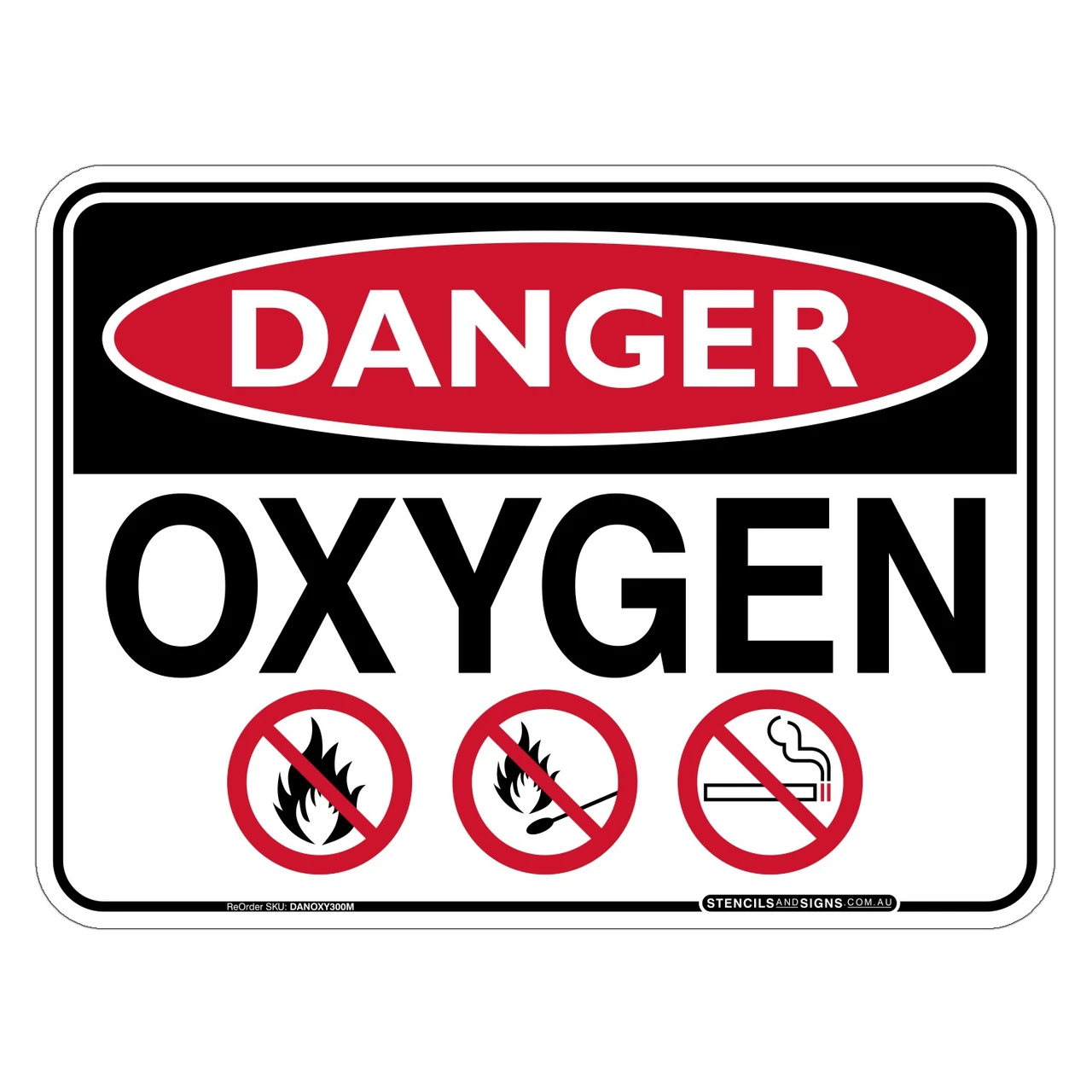
Used when a hazard is life-threatening and immediate. The word "DANGER" appears in white text on a red oval, set against a black rectangle header. Common on construction sites for situations like:
- High voltage areas
- Excavation edges and open trenches
- Crane lift zones
- Confined spaces
AS 1319 rule: Danger signs are reserved for the most severe hazards only. Overusing them dilutes their impact and may indicate non-compliance.
2. Warning Signs (Yellow & Black)


Used when a hazard exists but is not immediately life-threatening. These are the yellow triangular signs most people recognise. Common construction applications include:
- Uneven surfaces and trip hazards
- Machinery in operation
- Falling objects
- Forklift or vehicle movement zones
Warning signs must be placed before the hazard area — not at it — giving workers and visitors adequate time to react.
3. Mandatory Signs (Blue Circle, White Pictogram)

These instruct workers that a specific action must be taken. The blue circle is reserved exclusively for mandatory instructions under AS 1319. On a construction site you'll need them at:
- Site entry points — hard hat, hi-vis vest, and steel cap requirements
- Noisy areas — hearing protection zones (typically where noise exceeds 85 dB)
- Eye hazard zones — safety glasses required
- Internal zone transitions — e.g. moving from a site office into a live construction area
Common mistake: Using text-only mandatory signs without the standardised blue circle pictogram. These are not AS 1319 compliant and won't satisfy a WHS inspector.
4. Prohibition Signs (Red Circle with Diagonal Slash)


These tell people what they must not do. White background, red circle, black pictogram with a diagonal red slash through it. Typical construction site uses:
- No entry to unauthorised personnel
- No smoking near fuel or hazardous materials
- No mobile phones in blast zones
- No unauthorised vehicle access
Prohibition signs should be placed at entry points to restricted areas, at eye level where they're impossible to miss.
5. Emergency Information Signs (Green & White)

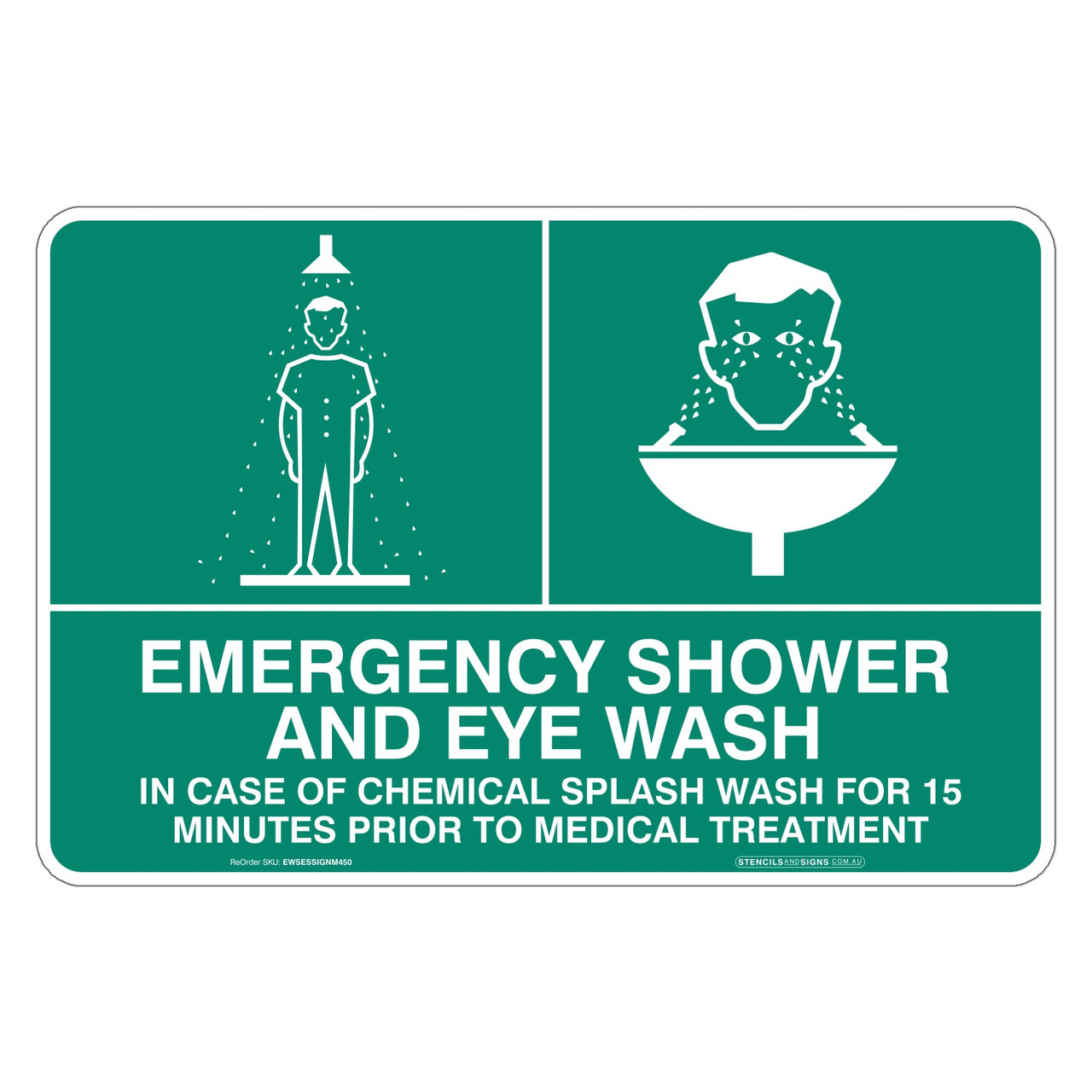
These show the location of safety equipment and emergency routes. Green background with white symbols. Required wherever your site has:
- First aid kits or first aid rooms
- Emergency exits and evacuation routes
- Eyewash stations
- Fire extinguishers and fire hose reels (note: fire equipment signs use red, not green)
AS 1319 placement rule for fire extinguishers: Signs must be mounted adjacent to or directly above the extinguisher, no more than 2 metres from floor level.
What Signs Are Required on Every Australian Construction Site?
While every site is different, most construction projects will need — at minimum — the following:
| Sign Type | Example | AS 1319 Category |
|---|---|---|
| Hard hat required | Site entry | Mandatory |
| Hi-vis required | Site entry | Mandatory |
| Safety boots required | Site entry | Mandatory |
| Danger – authorised entry only | Exclusion zones | Danger |
| Warning – construction in progress | Public-facing perimeter | Warning |
| No unauthorised entry | Access gates | Prohibition |
| First aid | Site office / amenities | Emergency |
| Emergency exit | Temporary buildings | Emergency |
| Hearing protection required | Loud machinery areas | Mandatory |
| Danger – crane overhead | Lift areas | Danger |
This isn't exhaustive — your specific hazards, site layout, and any subcontractor activities will shape your full signage requirements.
Sign Sizing and Placement: What AS 1319 Says
One area where construction sites frequently come unstuck is sign sizing. AS 1319 doesn't mandate a fixed size, but it does require that any symbols be at least 15mm per metre of viewing distance, and uppercase text at least 5mm per metre of viewing distance.
In practical terms for a construction site:
- A sign at the main site entry (viewed from 5–10m away) should have symbols at least 75–150mm in height
- Signs in tight internal areas with close viewing distances can be smaller, but must still be clearly legible
Placement rules to know:
- Mandatory and prohibition signs go at entry points to the relevant zone
- Warning signs go before the hazard, not at it
- Emergency signs go adjacent to or above the equipment or exit they identify
- Signs should be wall-mounted where possible — not on doors, movable equipment, or surfaces likely to be obscured
- Hanging signs must not obstruct pedestrian pathways or require anyone to duck underneath them
- Maintain a consistent mounting height — between 1.5m and 1.8m is the recommended eye-level range
Materials: What Holds Up on a Construction Site?
AS 1319 requires that materials suit the environment. Construction sites are demanding — UV exposure, dust, moisture, and physical impact are all real factors. Common compliant materials include:
- Aluminium — durable, rust-resistant, ideal for permanent or semi-permanent outdoor signs
- Corflute / polypropylene — cost-effective for temporary signage that changes as the project progresses
- Self-adhesive vinyl — suited for interior surfaces inside site sheds and offices
- Reflective finishes — required or strongly recommended for any sign visible from roadways or used in low-light conditions
The Most Common Compliance Mistakes Construction Sites Make
Based on what WHS inspectors and safety auditors consistently flag:
- Using text-only signs without AS 1319-compliant pictograms
- Placing warning signs at the hazard rather than before it
- Failing to update signage as the site evolves — signs from Stage 1 that no longer apply to Stage 3 works
- Inconsistent mounting heights across the site, making the system feel unofficial
- Not signing internal zone transitions — e.g. where a PPE requirement changes between areas
- Using damaged or faded signs — a sign that can't be read provides no protection, legally or practically
A Simple Signage Audit Checklist for Site Managers
Before your next WHS inspection or project milestone, run through this:
- All site entry points have mandatory PPE signs (hard hat, hi-vis, boots as applicable)
- Hazard zones are signed with the correct AS 1319 category (danger vs. warning)
- Prohibition signs are at all restricted access points
- Emergency exits, first aid, and fire equipment are clearly signed
- Signs are at the correct height and viewing distance
- Materials are appropriate for outdoor/construction conditions
- Signage reflects current site conditions — outdated signs removed or updated
- All signs use pictograms, not text only
Need Signs That Meet the Standard?
At Stencils and Signs, we supply AS 1319-compliant safety signs, danger signs, mandatory signs, traffic management signs, and custom signage for construction sites across Australia. Whether you need a full site setup or a few replacements ahead of an audit, we can help.
Browse our range of Safety Signs, Danger Signs, Mandatory Signs, and Traffic Management Signs, or contact us if you need help specifying the right signage for your site.
Disclaimer: This article provides general guidance based on AS 1319-1994 and Safe Work Australia's Model WHS Regulations. Specific requirements may vary by state, territory, and project type. Always consult your relevant WHS regulator or a qualified safety professional for site-specific advice.